








In 1960, something unusual happened on American television. An animated family walked into prime time and competed directly with live-action sitcoms. That show was The Flintstones. It did not air on Saturday mornings for children. It aired at night for families. If you want to understand why The Flintstones defined 1960s cartoon culture, you need to look beyond nostalgia. This was not just a funny prehistoric sitcom. It reshaped television strategy, advertising, character writing and even how animation was funded.
Today, when you see modern adult cartoons dominating streaming platforms, you are looking at a blueprint first tested in Bedrock.
Key Takeaways
The Flintstones became the first prime-time animated sitcom and changed 1960s television culture permanently.
Its suburban family themes mirrored real life, making it relatable to adult audiences.
Its legacy still shapes the evolution of animated sitcoms and modern collectible culture.
The Flintstones: Fred Flintstone TUBBZ (Collector’s Edition)

$24.99
Fred Flintstone TUBBZ (Collector's Edition) brings the loud, lovable leader of Bedrock into TUBBZ form. Instantly recognisable with his wild hair, stone-age outfit, and bowling ball clutched in his wings, Fred is packed with personality. This Collector's Edition comes in a… read more
The Cartoon That Changed Prime Time
Before 1960, animation was largely seen as children’s entertainment. Studios produced short theatrical cartoons and Saturday morning content. Networks did not consider animation suitable for evening viewing.
Then came The Flintstones 1960s debut on ABC. It was created by Hanna-Barbera, a studio known for efficient production models. Instead of treating animation as filler, they positioned it as a direct competitor to live sitcoms like The Honeymooners. This shift was strategic. The Flintstones premiered on 30 September 1960 and ran for six seasons in prime time. That longevity proved animated programming could sustain adult audiences.
The Flintstones defined 1960s cartoon culture because it moved cartoons from the margins to the centre of television scheduling.
The Flintstones: Wilma Flintstone TUBBZ (Collector’s Edition)

$24.99
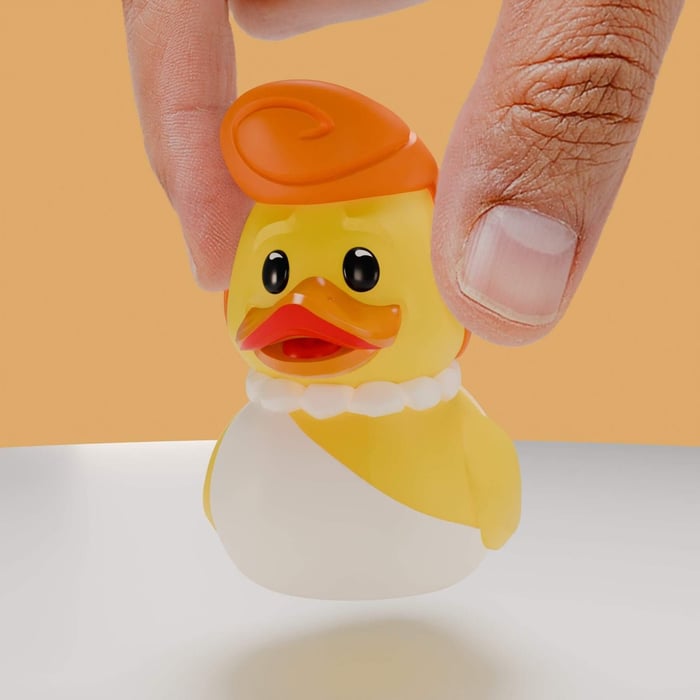
Wilma Flintstone TUBBZ (Collector's Edition) brings Bedrock's most iconic leading lady into TUBBZ form as a must-have collectable. Featuring her signature red hair, white Stone Age dress, and iconic necklace, Wilma is captured with a phone in her wing, bringing her… read more
The First Prime-Time Animated Sitcom
The phrase first prime-time animated sitcom matters. It was not just animated. It followed a sitcom structure of domestic conflict, workplace humour, neighbour rivalry, and moral resolution. This format aligned it with 1960s suburban family sitcoms. Viewers did not see talking dinosaurs. They saw their own lives exaggerated.
Advertising supported this positioning. Early episodes were sponsored by Winston cigarettes, signalling that the intended audience was adult. That alone tells you the show was embedded in mainstream 1960s television culture. The history of adult animation begins here. Decades before The Simpsons or Family Guy, The Flintstones tested the model.
The Flintstones: Fred Flintstone TUBBZ (Boxed Edition)

$19.99
Fred Flintstone TUBBZ (Boxed Edition) captures Fred's Stone Age signature look as a cosplaying duck, complete with his untamed hair, classic outfit, and bowling ball in wing. Full of collectable character and charm, this version is designed for display. Presented in a window display box featuring official The Flintstones… read more
A Mirror of American Suburban Life
Why did it resonate so deeply? Because it mirrored post-war suburban life. The 1960s saw rapid suburban growth in the United States, and The Flintstones defined 1960s cartoon culture. Mirroring this shift, Fred Flintstone's character analysis reveals a working-class provider dealing with boss frustration, financial stress, social competition, and domestic expectations.
Wilma Flintstone's role in the 1960s represented the stabilising emotional centre of the household. She balanced humour with reason. Her character grounded the show in realism.
The prehistoric setting softened social commentary. But the themes were modern. That blend defined 1960s cartoon culture. It allowed satire without alienation.
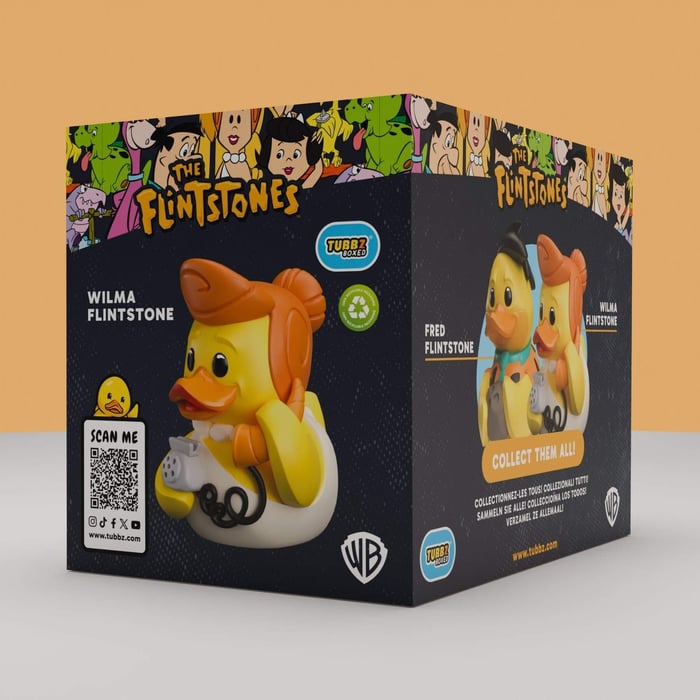
The Flintstones: Wilma Flintstone TUBBZ (Boxed Edition)

$19.99
The Flintstones: Wilma Flintstone TUBBZ (Boxed Edition) brings Wilma's classic Bedrock style to life as a cosplaying duck collectable. From her towering red hair and white Stone Age outfit to her iconic necklace and phone in wing, every detail is faithfully… read more
Redefining Animation for Adults
The evolution of animated sitcoms starts with format experimentation. The Flintstones demonstrated that animation could target adults, carry social satire, sustain serial storytelling, and support brand sponsorship. This expanded the commercial viability of animation.
Hanna-Barbera animation also pioneered limited animation techniques. By reducing frame complexity, they lowered production costs while maintaining character recognisability. That cost model made the weekly animated series sustainable. Without this approach, modern adult animation might have remained financially risky.
The Flintstones: Fred Flintstone TUBBZ (Mini Edition)

$9.99
Fred Flintstone TUBBZ (Mini Edition) shrinks Bedrock's most famous resident down to a pocket-sized collectable. Featuring Fred's unmistakable hair, stone-age outfit, and bowling ball, this mini version still packs plenty of attitude. Small in size but big on detail, it is perfect for… read more
Cultural Impact Beyond Television
The Flintstones' cultural impact extended beyond broadcast. It generated:
Catchphrases like “Yabba Dabba Doo”
Merchandising deals
Comic adaptations
Feature films
Merchandising became central. Licensing agreements expanded the brand into toys and collectibles. This model influenced future franchises.
Fast forward to today, and you see that legacy in Flintstones TUBBZ collectibles. Translating iconic characters into retro cartoon duck collectibles continues the tradition of character-driven merchandising.
Fred Flintstone TUBBZ and Wilma Flintstone TUBBZ maintain silhouette recognition. That visual clarity is rooted in strong original character design from the 1960s.
When collectors ask, are Flintstones TUBBZ worth collecting? The answer connects directly to this cultural longevity. Franchises with deep historical roots tend to retain emotional and market value.
The Flintstones: Wilma Flintstone TUBBZ (Mini Edition)

$9.99
Wilma Flintstone TUBBZ (Mini Edition) brings Wilma's iconic look to a compact collectable size. Her signature hair, white dress, and necklace are all faithfully recreated in miniature form. Small, detailed, and full of character, this mini edition is ideal for collectors with limited space. … read more
Innovation in Animation Production
Production innovation deserves its own spotlight. Hanna-Barbera streamlined animation workflows:
Reused background art
Limited movement cycles
Focused on voice performance
This approach reduced costs significantly compared to theatrical animation studios. The method shaped the industry. Many studios adopted similar models during the 1960s and 1970s.
The Flintstones defined 1960s Cartoon Culture not only creatively but operationally. It proved that efficiency could coexist with mass appeal.
Character Archetypes That Endured
Great culture rests on strong characters. Fred Flintstone embodies the flawed but lovable everyman. His impulsiveness drives conflict. His vulnerability drives empathy. Wilma represents emotional intelligence and rational balance. She prevented the show from becoming chaotic. Barney and Betty offered contrast. They reinforced themes of friendship and neighbour rivalry.
These archetypes influenced the influence of The Flintstones on modern cartoons. You can trace similar dynamics in many later animated sitcoms. The formula works because it reflects real human behaviour.
Why The Flintstones Still Matters Today
You may wonder why a 1960s cartoon still commands attention. Because its structure remains relevant. Streaming platforms now host adult animation as a core category. The history of adult animation begins with proof of concept. The Flintstones delivered that proof.
Its legacy also extends into collectible culture. Officially licensed Flintstones merch continues to perform because nostalgia compounds over time. Within TUBBZ US, collectors often seek properties with historic credibility. The Flintstones meets that standard. Cultural longevity increases brand trust. That is as true for television as it is for merchandise.
Final Thoughts
The Flintstones defined 1960s Cartoon Culture because it redefined expectations. It moved animation into prime time, mirrored suburban life, refined cost-effective production, and pioneered adult-targeted merchandising. Most importantly, it proved that cartoons could speak to adults without losing humour. When you watch The Flintstones today, you are not just watching a vintage show. You are watching the foundation of modern animated sitcoms. If you appreciate television history or collectibles inspired by iconic characters, understanding this legacy deepens your perspective. Bedrock was not just fictional. It was foundational.
FAQs:
Was The Flintstones really the first prime-time animated sitcom?
Yes. It premiered in 1960 on ABC and aired in prime time for six seasons, making it the first of its kind.
Why was The Flintstones important in the 1960s?
It reflected suburban family life, influenced advertising strategy, and proved animation could succeed with adult audiences.
How did The Flintstones influence modern cartoons?
It established the adult animated sitcom format that later shows expanded upon.
Did The Flintstones influence merchandising?
Yes. It became one of the early examples of large-scale character licensing tied to television.
Are Flintstones collectibles still relevant today?
Yes. Long-standing franchises often maintain strong emotional and collector appeal due to cultural longevity.