





Few franchises have shaped pop culture as much as Resident Evil. Whether you grew up clutching a controller in a darkened room or discovered the series through its blockbuster films, the history of Resident Evil is one of the most compelling stories in entertainment. What started as a risky bet by a Japanese game studio became a global phenomenon worth billions, spanning games, movies, comics, and multiple types of Resident Evil collectibles. Let's break it all down.
Key Takeaways
Resident Evil was born in 1996 and essentially created the survival horror genre as we know it today.
The franchise spans over 25 years of games, films, and spin-offs, with a fan base that continues to grow.
From Raccoon City to the big screen, Resident Evil's narrative lore has evolved into one of gaming's richest universes.
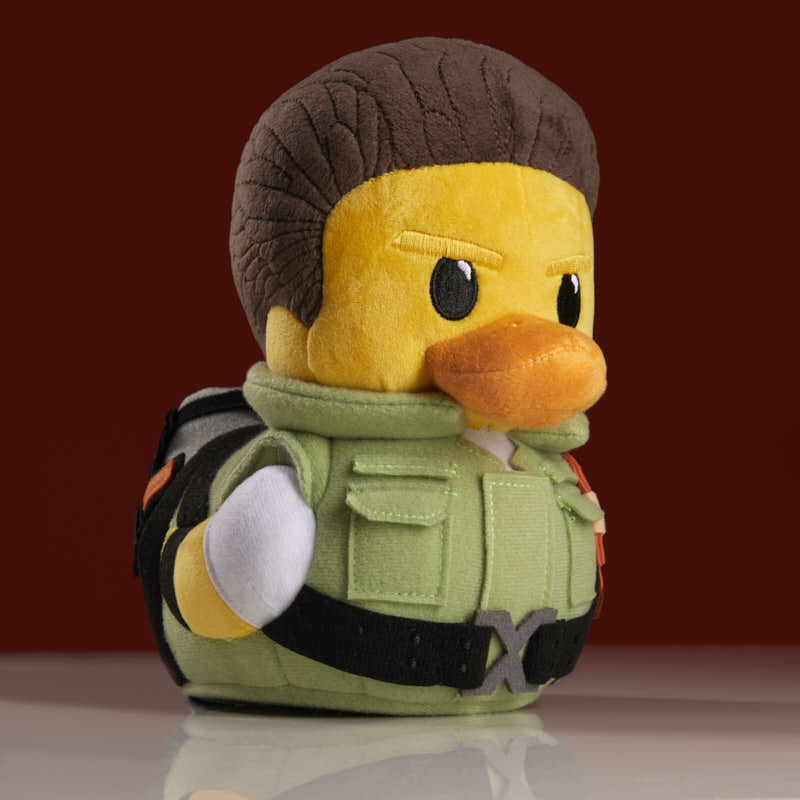
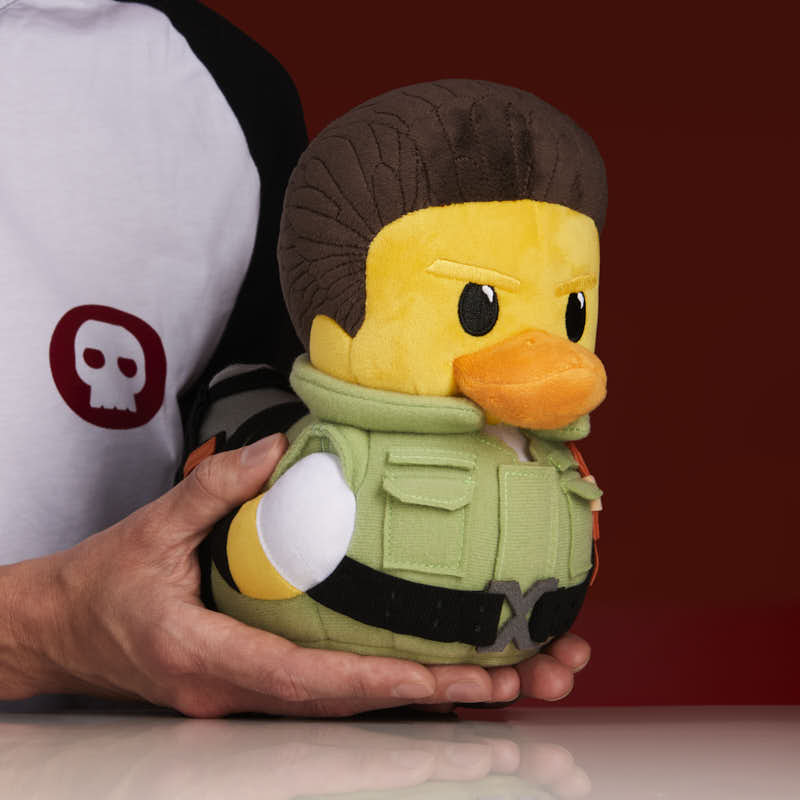
Resident Evil: Tofu TUBBZ (Mini Edition)

$9.99
Straight from the survival mode hall of fame, Tofu waddles in as the most unexpectedly iconic mini duck yet, simple, surreal, and an absolute must for die-hard Resident Evil fans. Key Details Official Resident Evil merchandise Designed and manufactured by… read more
Series Origins and Creation
It started with a haunted house. Capcom producer Tokuro Fujiwara had already created a game called Sweet Home in 1989, a horror-RPG based on a Japanese film. That game planted the seed. When director Shinji Mikami joined the project in the early 1990s, the concept evolved into something far more cinematic.
The team drew inspiration from George Romero's zombie films and classic horror games like Alone in the Dark. They wanted players to feel powerless, and they delivered. Limited ammunition, fixed camera angles, and slowly loading doors built dread into every moment. Every design choice was intentional.
When Resident Evil launched in March 1996 for the PlayStation, it didn't just debut a new game. It launched the survival horror genre as a mainstream category.
Establishing the Core Narrative
So what is the backstory of Resident Evil? At its heart, the story revolves around a shadowy pharmaceutical company called the Umbrella Corporation. Umbrella secretly developed biological weapons, including the T-virus, a mutagenic pathogen capable of reanimating the dead.
The first game drops players into the Spencer Mansion outside Raccoon City, where the S.T.A.R.S. Alpha Team investigates the disappearance of their Bravo counterparts. Characters such as Chris Redfield, Jill Valentine, and Albert Wesker were introduced here, setting the stage for a narrative lore that would unfold over decades.
Breakthrough Moments in Gameplay and Story
Resident Evil 2 is where the series truly exploded. Released in January 1998, it sold over 4.96 million copies worldwide and introduced Leon S. Kennedy and Claire Redfield as they navigate a T-virus outbreak tearing apart Raccoon City. The dual-scenario system gave players two perspectives on the same catastrophe.
Raccoon City became the franchise's emotional core, a mid-sized American city wiped off the map by corporate greed and biological disaster. Resident Evil 4 (2005) reinvented the series, shifting to an over-the-shoulder perspective that influenced practically every action game that followed.
Expansion Into Film and Media
The Resident Evil (2002) film, directed by Paul W.S. Anderson, marked the franchise's jump to the big screen. Starring Milla Jovovich as Alice, a character not found in the games, the film leaned into action-horror. It became a surprise hit, grossing over $102 million globally on a $33 million budget.
Ongoing Movie Franchise Development
The cinematic adaptations kept coming. The Resident Evil movies spanned six films from 2002 to 2016, with a combined global box office of over $1.2 billion, making it one of the highest-grossing video game film franchises ever. A reboot titled Welcome to Raccoon City arrived in 2021, taking a more game-faithful approach. Netflix also launched a live-action series in 2022, keeping the franchise firmly in the cultural conversation.
Impact, Legacy, and Cultural Influence
Resident Evil didn't just create a genre; it changed how developers thought about atmosphere, pacing, and player anxiety. Games like Silent Hill, Dead Space, and Alien: Isolation owe a direct debt to Capcom's survival horror blueprint.
The franchise has sold over 150 million units worldwide as of 2023. That number keeps climbing with every remake and new release. Raccoon City is as recognizable to gamers as Gotham City is to comic fans, and the Umbrella Corporation logo ranks among gaming's most iconic symbols.
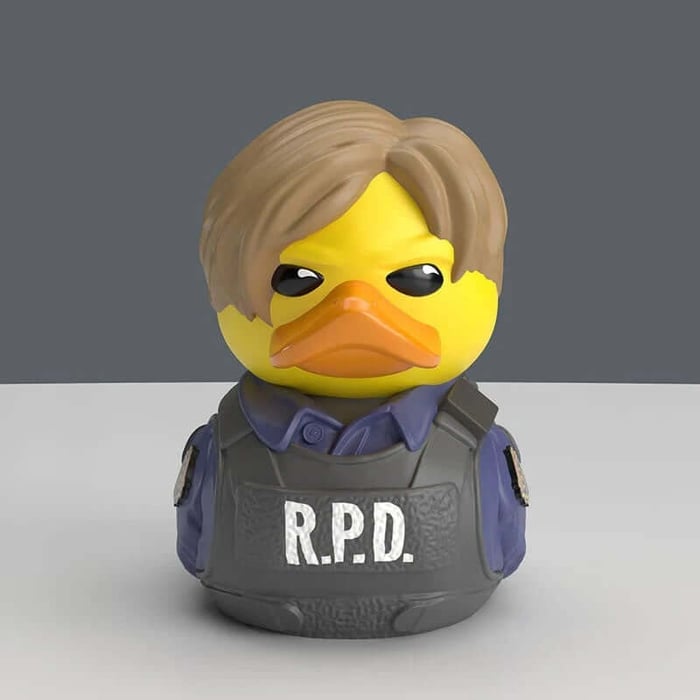
Resident Evil: Leon S Kennedy TUBBZ (Mini Edition)

$9.99
Resident Evil Leon S Kennedy TUBBZ Mini Collectible Duck From rookie cop to biohazard battler, Leon's looking sharp (and slightly quacky) in this Mini Edition, ready to face the undead with a whole lot of hair swoop and hero vibes. Key… read more
Resident Evil collectibles at TUBBZ USA
If you're a fan of the franchise, you'll love what TUBBZ USA has in store for collectors. These aren't just toys, they're personality-packed plushies that celebrate the characters you grew up with.
Resident Evil: Leon S. Kennedy TUBBZ Plushie: The rookie cop turned government agent gets a soft, detailed plushie treatment. Unmistakably Leon.
Resident Evil: Tofu TUBBZ Plushie: The beloved Easter egg character from RE2's extra modes finally gets his moment: A must-have for longtime fans.
Both make fantastic display pieces or gifts of any Resident Evil collectibles.
Conclusion
The history of Resident Evil is a story of reinvention. From a PlayStation 1 mansion to Hollywood blockbusters and Netflix series, the franchise has refused to stay still. It defined survival horror, pivoted to action, returned to its roots, and built one of gaming's richest narrative lore universes. The franchise timeline stretches nearly three decades, and there's no sign of it slowing down. Whether you're new to the series or a veteran survivor, there's never been a better time to dive in.
FAQs About the History of Resident Evil
What is the History of Resident Evil, and when did it begin?
The history of Resident Evil began in 1996, when Capcom released the original game for the PlayStation, kickstarting the survival horror genre.
How does the History of Resident Evil connect the games to the films?
The history of Resident Evil runs on two parallel tracks; the game canon follows S.T.A.R.S. and Umbrella, while the films build a separate story around the character Alice.
Why is Raccoon City so central to the History of Resident Evil?
In the Resident Evil series, Raccoon City is ground zero for the T-virus outbreak and represents the human cost of Umbrella's experiments.
How many games are included in the History of Resident Evil franchise timeline?
The history of Resident Evil spans over 30 titles across mainline entries, remakes, and spin-offs, from 1996 to the present.
Where can I learn more about the History of Resident Evil?
The history of Resident Evil is well-documented on the official Resident Evil wiki, Capcom's official site, and various published franchise guides available in print and online.