







What if a town could remember your sins? That's the terrifying premise at the heart of one of gaming's most iconic horror franchises. If you've ever tried to map out the Silent Hill Timeline and found yourself lost in foggy corridors of conflicting dates and overlapping storylines, you're not alone. The series spans more than two decades, multiple mainline entries, spin-offs, films, and a devoted fan base that still debates canon to this day. Whether you're a first-time visitor to Silent Hill or a returning survivor, this guide breaks it all down clearly.
Key Takeaways
The Silent Hill games don't follow a single linear story - most entries are standalone, connected more by theme and setting than direct plot.
Silent Hill 3 is the only true direct sequel, picking up where the original 1999 Game left off.
Release order and narrative chronology are very different, and understanding both helps you get the most from the series.
Overview of the Silent Hill Narrative Timeline
The Silent Hill universe is not a simple A-to-B story. Think of it less like a numbered trilogy and more like a collection of nightmares that share the same haunted town. Silent Hill, West Virginia, serves as the backdrop for nearly every game — a place where psychological trauma takes physical form. The town shifts, distorts, and reflects the inner world of whoever enters it.
That is what makes the narrative timeline so compelling and so confusing. Each protagonist experiences their own version of Silent Hill, shaped by guilt, grief, and unresolved trauma. Some stories overlap, others run in parallel, and a handful exist as complete reimaginings.
It is this rich, layered storytelling that has kept the franchise alive in fan culture for decades — inspiring everything from deep lore debates to a thriving world of Silent Hill collectibles that immortalise its most haunting characters and moments. Understanding the timeline upfront will save you a lot of confusion and deepen your appreciation for just how intentional every detail of this universe truly is.
Complete Game Timeline Explained
Core Chronological Sequence of Events
Here's how the mainline games fit together in narrative order, rather than the order they were released:
Game | Release Year | Narrative Position |
Silent Hill (1999) | 1999 | First in narrative order |
Silent Hill 3 (2003) | 2003 | Direct sequel to SH1 |
Silent Hill 2 (2001) | 2001 | Parallel/standalone story |
Silent Hill 4: The Room (2004) | 2004 | Loosely connected |
Silent Hill: Origins (2007) | 2007 | Prequel to SH1 |
Silent Hill: Homecoming (2008) | 2008 | Post-SH3, own arc |
Silent Hill: Shattered Memories (2009) | 2009 | Reimagining of SH1 |
Silent Hill: Downpour (2012) | 2012 | Standalone narrative |
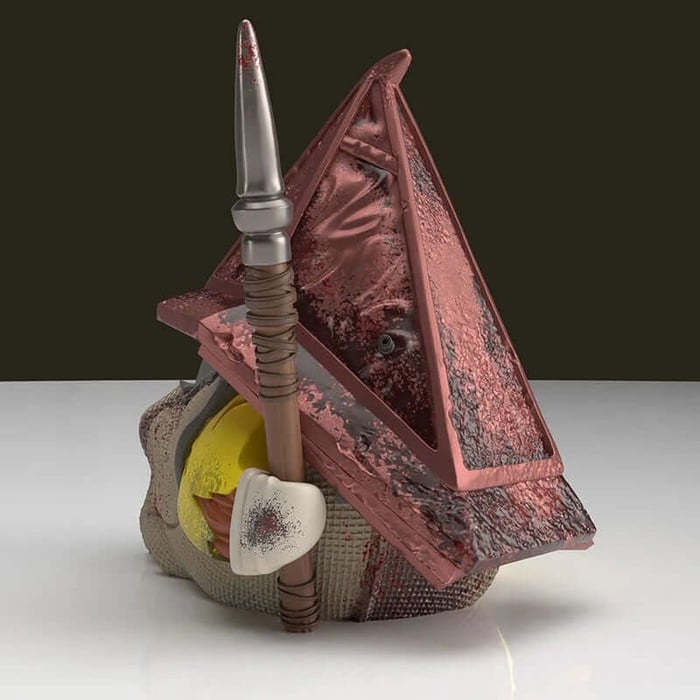
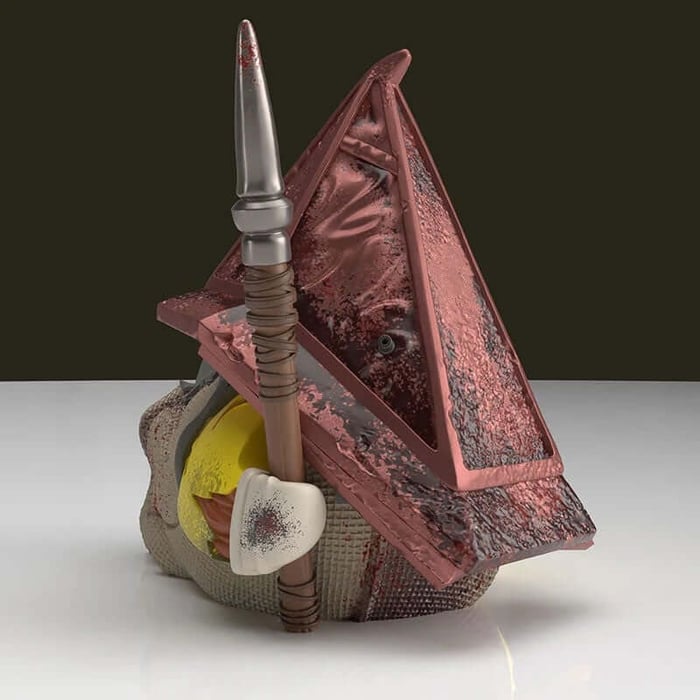
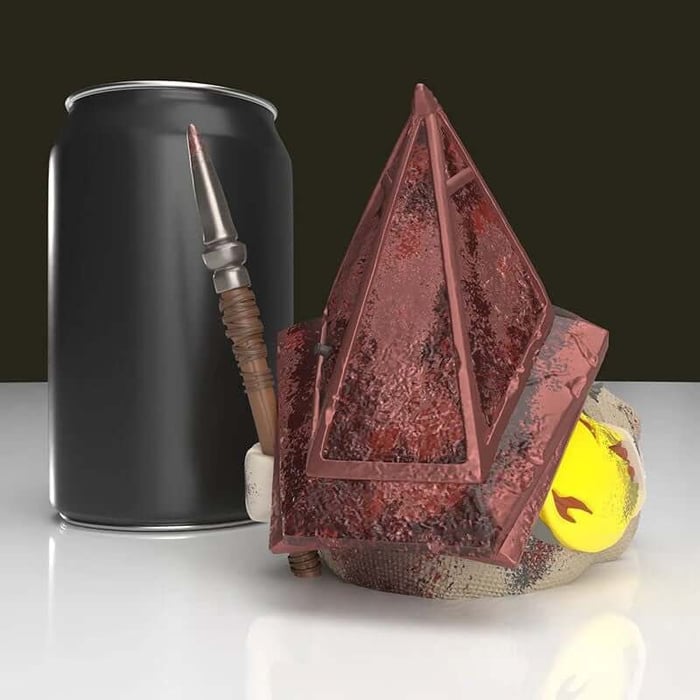
Silent Hill: Origins acts as a prequel, set before the events of the original 1999 game, making it technically the starting point of the canonical storyline. From there, the first game and Silent Hill 3 form the closest thing to a direct two-part arc in the entire series. Silent Hill 2 runs parallel and is largely self-contained — and it is here that the series introduces some of its most iconic and enduring figures. Pyramid Head, the towering, blade-dragging executioner, emerges as a manifestation of James Sunderland's guilt and has since become the most recognised symbol of the entire franchise.
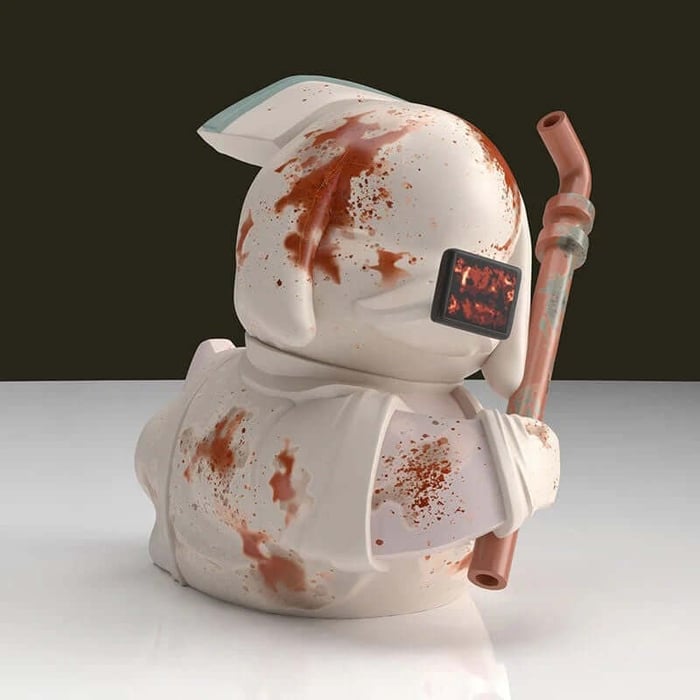
Equally unsettling is the Nurse, a recurring presence across multiple titles whose disturbing design has cemented her place in horror game history — so iconic that she has been immortalised in pop culture formats ranging from statues and art prints to the beloved Nurse TUBBZ collectible figure. The remaining titles branch off into their own narratives, connected more by atmosphere and setting than by plot threads.
Release Order vs. Story Chronology
Understanding Timeline Shifts and Structure
Here's where many players get tripped up. The Silent Hill Game release order and the story chronology are two very different things. You could play the games as they launched (starting in 1999) and still be following a roughly coherent story, but you'd be missing context that later prequels provide.
For example, Silent Hill: Origins was released in 2007 but takes place before every other Game in the Series. Playing it first would give you an important backstory about the town's dark history with the Order cult. However, many fans argue that experiencing the original Game first actually enhances the prequel - knowing the outcome makes the setup more chilling.
The short version: if you want story chronology, start with Origins. If you want the intended emotional experience, follow the release order. Both are valid, and neither is wrong.
Series Connections and Canon Explained
Do All Silent Hill Games Take Place in the Same Town?
Mostly, yes. Nearly every Game is either set in Silent Hill itself or in locations directly connected to it. The town functions as more than a setting - it's almost a character in its own right, one that mirrors the psychology of whoever enters it. That said, some games like Silent Hill 4: The Room take place primarily in another location, though the town's influence still drives the horror.
Are All Silent Hills Connected?
Thematically, absolutely. Narratively, it's more complicated. The games share the same lore around the Order (the cult responsible for the town's darkness) and the same core mythology, but most protagonists have no connection to one another. Silent Hill 2 features James Sunderland, who has no relationship to Harry Mason from the first Game. Heather from Silent Hill 3 is the only character with a direct bloodline connection to a prior protagonist.
Which Silent Hill Endings Are Canon?
Konami has never officially confirmed a canon ending for most of the games. Silent Hill 3, however, strongly implies that the events of Silent Hill 1 happened - meaning Harry Mason's story concluded in one of the less supernatural endings. For the rest of the series, the endings are left open to interpretation.
Is Silent Hill 3 a Prequel or a sequel?
Silent Hill 3 is a direct sequel to the original Game, not a prequel. It picks up roughly 17 years after the events of Silent Hill 1 and follows Heather Mason, the reincarnated god that Harry Mason saved and raised. It is not a standalone story - context from the first Game significantly enriches the experience.
Do you have to play Silent Hill 1 and 2 before 3? For Silent Hill 3, playing the first Game beforehand is strongly recommended. Silent Hill 2, however, is completely standalone - you can play it at any point without spoiling or missing key plot context.
Silent Hill: Pyramid Head TUBBZ (First Edition)

$24.99
Silent Hill Pyramid Head TUBBZ First Edition Collectible Duck The nightmare steps into the duck pond. This terrifying TUBBZ transforms the fearsome Pyramid Head into a cosplaying duck with disturbing detail, from the iconic helmet to that oversized blade. Creepy,… read more
Silent Hill Movie Timeline and Viewing Order
Film Chronology and Narrative Placement
Two Silent Hill films have been released, and their placement within the franchise timeline is worth understanding.
Silent Hill (2006) is a loose adaptation of the first Game, following Rose Da Silva as she searches for her daughter in the fog-covered town. It draws heavily from the Game's imagery and lore, and serves as a reasonable entry point for newcomers to the franchise.
Silent Hill: Revelation (2012) is primarily based on Silent Hill 3 and serves as a sequel to the first film. If you're watching both movies, go in release order: Silent Hill (2006) first, then Revelation (2012). The films exist in their own continuity, separate from the Game canon, so you don't need to have played any games to follow them - though doing so adds considerable depth.
Conclusion
The Silent Hill Timeline is less a straight line and more a web of interconnected nightmares. Most games stand on their own, united by shared lore, a haunted town, and a deep focus on psychological horror. The closest narrative thread runs through Origins, Silent Hill 1, and Silent Hill 3. Everything else branches off into its own dark corner of the universe.
Whether you're building your collection, diving into the lore for the first time, or revisiting a franchise that defined horror gaming, understanding the timeline enriches the experience. At TUBBZ, we celebrate exactly this kind of deep-cut fandom, from collectibles to figures that honor the games and characters that matter most to you. Explore the series, find the stories that resonate, and don't be afraid of the fog.
FAQs: Silent Hill Timeline
What is the Silent Hill Timeline in chronological order?
The Silent Hill Timeline in story order begins with Silent Hill: Origins (prequel), then Silent Hill 1 (1999), Silent Hill 3 (direct sequel), Silent Hill 2 (standalone, parallel), and continues with The Room, Homecoming, Shattered Memories, and Downpour. Origins provides essential backstory, but most games can be experienced independently.
Do I have to play all the games to understand the Silent Hill Timeline?
Not at all. Most Silent Hill games are designed as standalone experiences. The only pair that benefits from sequential play is Silent Hill 1, followed by Silent Hill 3. If you're new to the Silent Hill Timeline, starting with the original Game or Silent Hill 2 is a great way to get a feel for the series.
Where do the Silent Hill movies fit in the Silent Hill Timeline?
The two films - Silent Hill (2006) and Revelation (2012) - exist in their own continuity, separate from the games. They don't fit neatly into the game-based Silent Hill Timeline, but they're inspired by Silent Hill 1 and 3, respectively. Watch them in release order if you plan to view both.
Which Silent Hill endings are considered canon in the Silent Hill Timeline?
Konami has not officially confirmed canonical endings for most games. Within the Silent Hill Timeline, Silent Hill 3 implies Harry Mason's story concluded successfully, suggesting one of the non-bad endings from the first Game is intended. For all other titles, endings remain open to fan interpretation.
Is Silent Hill 2 part of the main Silent Hill Timeline?
Silent Hill 2 runs parallel to the main Silent Hill Timeline rather than connecting directly to it. James Sunderland's story is self-contained with no narrative overlap with Harry Mason or Heather's arc. It's thematically linked to the rest of the series but operates as its own isolated story - and many fans consider it the best entry point precisely because of that independence.