





What if the scariest thing in a Game was never the monster in front of you, but the one living inside your own head? Silent Hill psychological horror does exactly that. Since its original 1999 release, this series has refused to lean on cheap jump scares or gratuitous gore. Instead, it pulls you into a fog-drenched world built entirely out of guilt, grief, and buried trauma. It's not just terrifying. It's deeply, uncomfortably human. And for fans of horror culture and Silent Hill collectible figures, few franchises have hit harder or stayed with you longer.
Key Takeaways
Silent Hill is a landmark in psychological horror, using atmosphere and symbolism rather than shock tactics to build dread.
The series explores real mental health themes, including repressed guilt, trauma, grief, and dissociation, most powerfully through James Sunderland in Silent Hill 2.
Every monster, location, and sound in Silent Hill is a symbolic extension of the protagonist's psyche, making the world feel uniquely personal and deeply unsettling.
Understanding Psychological Horror in Video Games
Before diving into Silent Hill itself, it helps to understand what psychological horror actually means. Traditional horror relies on external threats: monsters, violence, and gore. Psychological horror goes way deeper than that. It targets your mind.
In video games, this means building atmospheric dread through sound design, fragmented environments, and unreliable storytelling. You're never quite sure what's real. That uncertainty is the whole point. Games that nail this, like Silent Hill, make you feel the horror rather than just watch it.
Existential fear is the engine here. It's that creeping sense that something is fundamentally wrong, not just with the world on screen, but with how you're interpreting it. Environmental storytelling deepens this further. Every cracked wall, rusted pipe, and bloodstain tells a story without a single line of dialogue.
Are Silent Hill collectibles a Psychological Horror? Breaking Down the Core Identity
Absolutely. Silent Hill collectibles sit right at the intersection of survival horror and psychological horror. You've got the familiar loop of limited resources and careful exploration, but the real terror comes from the world reacting to the character's innermost state.
The series, developed by Konami's Team Silent, changed what horror gaming could be. Where other franchises chased action and spectacle, Silent Hill leaned into fragmented reality, ambiguity, and symbolic storytelling. The fog wasn't just a technical workaround for the original PlayStation hardware. It became a tool for building dread, shrinking your world, and leaving you completely isolated.
Silent Hill and Mental Health Themes
Silent Hill is absolutely about mental health. Each Game uses its protagonist's psychological state to shape the world around them, with the town itself mirroring the mind of whoever enters it. Silent Hill 2 is the clearest example, exploring repressed guilt, grief, and the way trauma warps reality to avoid painful truths. It's not a clinical portrait, but its depiction of subconscious suffering is remarkably accurate, and that's precisely what makes it so unsettling.
James Sunderland: Psychological Case Study
James Sunderland arrives in Silent Hill after receiving a letter from his wife, Mary, who passed away three years earlier. What follows is a descent into guilt, denial, and dissociation. The Game never offers a formal diagnosis, and that's totally deliberate. His symptoms line up with complicated grief and repressed guilt. While some fans have pointed to elements of psychosis or schizophrenia, the Game frames his fragmented reality as a trauma response rather than a clinical condition. It's far more interested in the emotional truth of guilt than in slapping a label on it.
The Monsters and Symbolism of Silent Hill
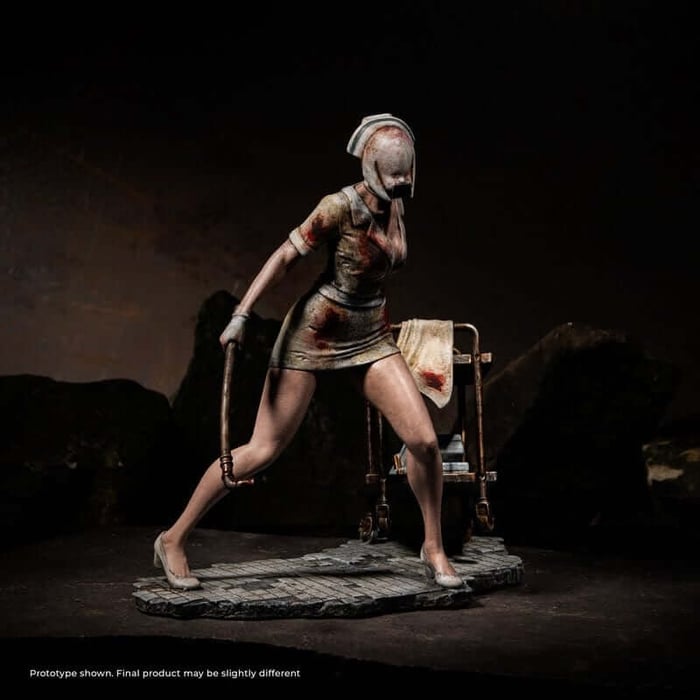
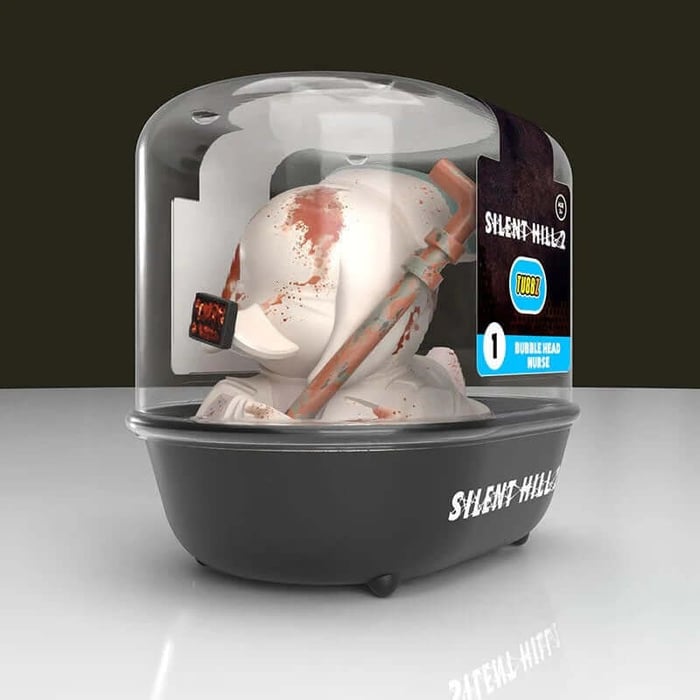
The monsters of Silent Hill aren't random. Each one is a subconscious manifestation of the protagonist's fears, desires, or memories. Pyramid Head represents punishment and guilt, stalking James because, on some level, he believes he deserves to suffer. Abstract Daddy, tied to Angela Orosco, symbolizes abuse and a domineering father figure; its disturbing design is a direct reflection of her trauma. Mannequins, nurses, and other creatures follow the same logic, each one a piece of symbolic storytelling filtered through the mind of whoever is living the nightmare.
Reality, Hallucination, and the Nature of Silent Hill
Is Silent Hill a real place or a hallucination? The answer is both, and neither. The town exists geographically in the Silent Hill universe, built on cursed ground tied to a cult and dark rituals. But its ability to shift into a nightmarish Otherworld is supernatural, linked to the spiritual and psychological state of whoever enters.
This fragmented reality is central to the series's power. The Game never fully commits to one explanation. That ambiguity forces you to question not just the world, but James's account of it. He's an unreliable narrator. The existential fear this creates, the nagging sense that what you're seeing may not be the truth, is way more disturbing than any jump scare could ever be.
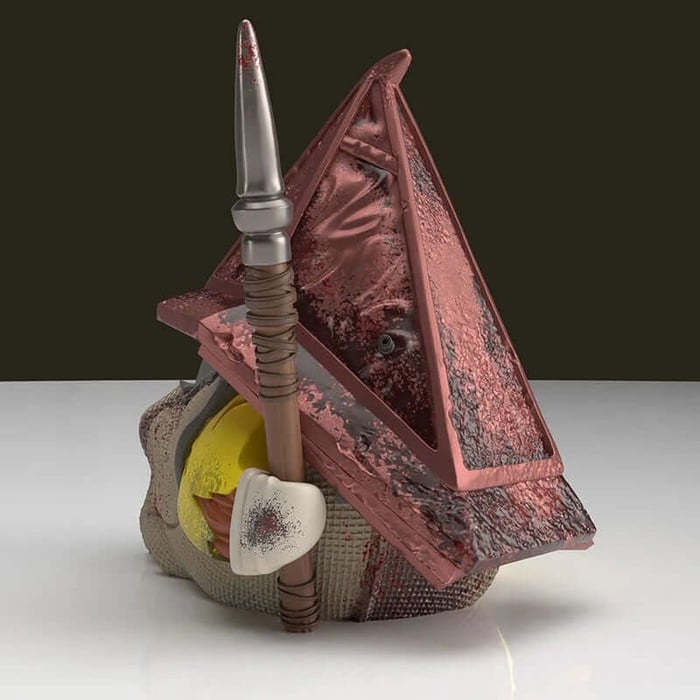
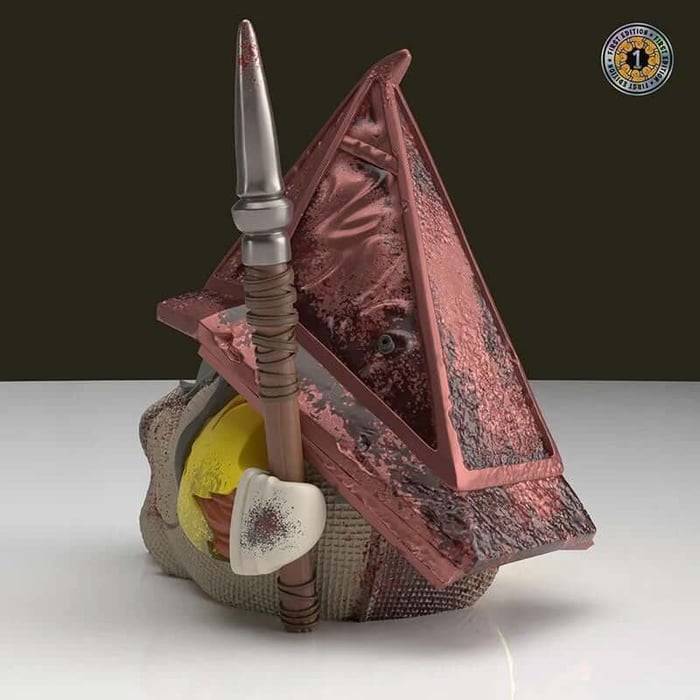
Silent Hill: Pyramid Head TUBBZ (First Edition)

$24.99
Silent Hill Pyramid Head TUBBZ First Edition Collectible Duck The nightmare steps into the duck pond. This terrifying TUBBZ transforms the fearsome Pyramid Head into a cosplaying duck with disturbing detail, from the iconic helmet to that oversized blade. Creepy,… read more
Celebrate Horror Culture with TUBBZ USA Collectibles
If the world of horror gaming and dark pop culture speaks to you, TUBBZ USA is the perfect way to celebrate it. These officially licensed rubber duck collectibles bring iconic characters to life with incredible detail and serious personality, making them a standout addition to any horror-themed shelf or display.
Silent Hill: Pyramid Head TUBBZ (First Edition): Pyramid Head is the face of Silent Hill psychological horror and one of the most iconic monsters in all of gaming. This First Edition TUBBZ captures his towering, menacing presence in a collectible rubber duck format that is equal parts creepy and incredible. He embodies punishment, guilt, and dread, making him the ultimate centerpiece for any serious horror collection.
Universal Monsters: Frankenstein TUBBZ (Boxed Edition): Frankenstein's Monster is one of the most enduring figures in horror history, a creature defined by tragedy, isolation, and the fear of what humanity creates. This Boxed Edition TUBBZ captures the classic Universal Monsters design with sharp detail and unmistakable character. It pairs perfectly with the Pyramid Head TUBBZ and is a genuine conversation starter for any horror fan's collection
Conclusion
Silent Hill's psychological horror endures because it taps into something universal. Fear of guilt. Fear of what we hide from ourselves. Fear that the worst monsters aren't out there, but in here.
The series built its world on symbolic storytelling and trauma representation, using atmospheric dread not as decoration but as the core language of its design. Every creature, every environment, every haunting note of Akira Yamaoka's soundtrack is a piece of a psychological puzzle. When it all comes together, it's as devastating as it is terrifying.
Whether you're a longtime fan revisiting the foggy streets of Silent Hill or a newcomer drawn in by the recent remake, the series rewards you for paying attention not just to the scares, but to the story buried beneath them.
FAQs: Silent Hill Psychological Horror Explained
What makes Silent Hill psychological horror different from other horror games?
Silent Hill's psychological horror focuses on internal fear rather than external threats. The world transforms based on the protagonist's trauma and guilt, making the horror feel deeply personal rather than generic.
Is Silent Hill psychological horror right for players with no horror gaming experience?
It depends on your tolerance for atmospheric dread and unsettling themes. Silent Hill's psychological horror prioritizes tension over action so that it can feel intense even for experienced players new to this style of Game.
Which Silent Hill Game is the best example of Silent Hill's psychological horror?
Silent Hill 2 is widely considered the definitive example of Silent Hill's psychological horror, using James Sunderland's guilt and grief to shape every aspect of its world, monsters, and narrative.
Is the Silent Hill psychological horror series making a comeback?
Yes. Konami dropped the Silent Hill 2 remake in 2024, introducing a whole new generation to Silent Hill's psychological horror. Additional projects in the franchise have also been announced.
Why does Silent Hill's psychological horror lean so heavily on fog and darkness?
The fog in the Silent Hill psychological horror started as a hardware limitation but became a defining artistic choice. It shrinks your world, cranks up the isolation, and lets your imagination fill in the gaps, which is always scarier than anything shown directly on screen.